Skip to content
Are You Ready to Achieve Financial Independence & Retire Comfortably? Here’s How!
Financial Independence and Retirement – what does this actually mean for you? Is it a number based on your age, or how much money you have? For many it’s that golden horison we look towards, where we can live out the rest of our days doing the things we want to, with who we want, where we want, when we want, and be able to afford all of it, right?
Growing up with parents who fought about money a lot, the thing I gathered about retirement was it was clearly something they would never afford… Navigating the path towards a financially independent retirement can be like trying to find your way through a dense forest without a map. I’ve seen this too often in the people that see me in my financial therapy practice, and many clients reaching retirement and realising they need to keep working longer than they originally had in mind.
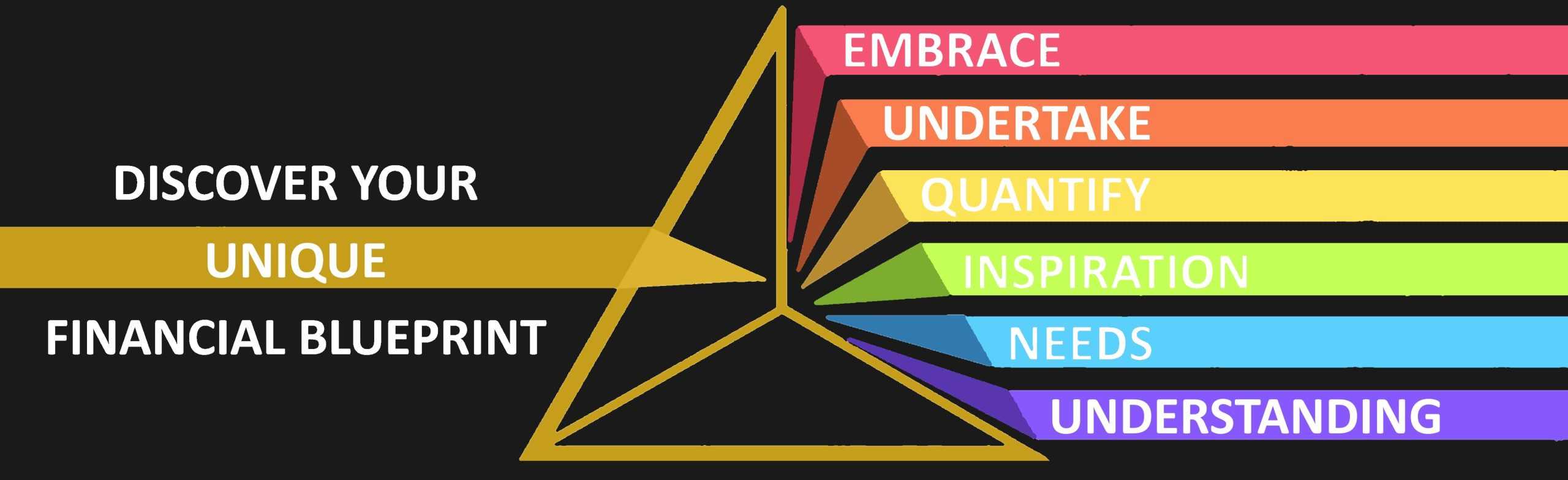
There are so many challenges one can face, and in this post I share the most common one’s I’ve come across, and how you can overcome them by Discovering Your UNIQUE Financial Blueprint. When you do the work, you will chart a course towards creating financial independence and a comfortable retirement, whatever that may be for you! So let’s jump straight in:
1. Understanding: How Much is Enough?
Figuring out how much much money you need can feel like trying to understand a different language, and it is! Should you put away 10%, 20%, or more of your income, and for how long? So how do we overcome this?
Start by determining what your FI number is – your Financial Independence Number. Understanding this means understanding what life and lifestyle you want to live and then calculating how much you need to achieve your retirement needs. Once you understand your goal, the objective is to break it down to a monthly amount that you commit to as an investment into you, paying yourself first.
Aim for at least 10-15% of your income to begin with, but don’t stop there. The more you invest, the sooner you may reach your retirement destination. If this is too much, start with the lowest amount you can possibly commit to, and keep your promise to yourself – you can build on grow from there.
2. Needs: Taming the Want Beast…
Many times we may find ourselves in debt, living beyond our means. For many, debt has become a fire-breathing dragon leaving retirement dreams a pile of smouldering ashes… Mortgages, credit cards, student loans – these all gnaw away at your financial security.
If you’re just starting out on your financial journey and are fortunate enough to have no debt, this is for you:
- Start by prioritising your Needs over your wants.
- Only use debt when you understand how to structure it to benefit you.
- Structured debt used wisely can leverage and scale growth.
- Resist the urge for instant gratification, this is a long term game.
If you you find yourself further along your financial journey and have accumulated debt, this is for you:
- Refer back to the previous 4 point and make sure you UNDERSTAND and apply them in your life.
- Create a battle plan to bust out of debt such as the snowball, avalanche or consolidation methods, and remember, the more you pay off, the closer you get to financial independence and freedom.
3. Inspiration: Where to Put Your Money?
Where should you invest your money? Stocks? Bonds? Property? Cash? Forex? Private equity? And on and on the list goes, it’s no wonder there’s an entire financial sector, advisors, and laws governing all of this stuff, right? The investment world can resemble a casino with so many different games, choices, odds and promises. How do you choose wisely, when the odds are stacked in favour of the house?
Warren Buffett once said: “Investment must be rational; if you can’t understand it, don’t do it.” This sound advice cannot lead you wrong. If you don’t understand how your money is going to work for you, chances are, it probably won’t. So let’s start with the basics:
- Understand what your needs are and plan for them in your financial cash-flow forecast analysis.
- Connect with what inspires you and align this with your needs.
- Direct your cash flow towards fulfilling your needs and aspirations.
- Start by channeling any amount you can commit to into a savings account, at a reputable bank or financial institution, this is normally in the form of cash, or cash equivalents.
- This will be come the foundation and emergency fund of your financial freedom strategy and unique financial blueprint.
- Begin learning about different ways to get your money to work for you, in areas where you believe it will make a significant impact and difference, and of course, highest potential return on investment.
- Aim for at least 10-15% of your income to begin with, but don’t stop there. Getting more of your money working for you may get you to reach your retirement destination sooner than you think!
- If 10% or even 5% is too much for you right now, start with what you can commit to, and then keep your promise to yourself. You can build on, and grow from there.
4. Quantify: What Gets Measured Can Be Improved.
Money, by all means, is important, not only because we use it in exchange our food, clothing and shelter, but because every decision we make has a financial impact in our lives. Knowing and understanding this allows you to begin quantifying and measuring your money, so you can create financial abundance and wealth in every area of your life.
However, we may often find ourselves forgetting to measure the most valuable resources we have, our time, and our energy. We focus on outcomes, forgetting that it is the processes, iterations, and constant investment of our time and energy into something, that yields a result or outcome. This can lead to burnout, fatigue and low output, and the only way forward is through it, to begin measuring your time, and your energy, and where you are investing them.
Take note and measure the time, energy, and money you invest in the following areas so that you can better understand and formulate your strategy to achieving your financial and other goals, objectives, dreams, and desires:
- Your physical and mental health and well-being: Your body and mind are your vehicle allowing you to experience your life.
- Your professional/vocational development and growth: What you do matters, and is critical to enhance and advance your life, lifestyle, and impact you make in your world.
- Your social and intimate relationships: We are social beings – connecting to others fosters a sense of belonging and acceptance. Your network can help to enhance your net worth.
William Bruce Cameron, an American author, columnist, and humorist once said: “Not everything that counts can be counted, and not everything that can be counted counts”, and so we must first learn to identify and quantify what counts, before spending our resources and what doesn’t.
5. Undertake: Preparing for the Journey.
Life throws curveballs at us – job loss, market crashes, unexpected expenses, to name a few. How can we ensure to stay afloat and resilient, without eroding any of the progress we’ve made?
This is where you draw from step 3 and then direct your cash flows into investment vehicles and strategies that align with your values and goals, while aiming to achieve maximum return on investment.
And herein lies the conundrum: Where is the best place to invest?
Every person you ask this question to will have their own opinion, perspective, or advice – based on their experiences, perceptions and biases, which is often an unknown challenge that is overlooked or not considered, even by financial advisors.
Adaptability is key. Be ready to adjust your sails when the winds change:
- Have an emergency fund that is readily accessible with 3-12 months your monthly income needs.
- From this foundation you can springboard into investing your cash by diversifying into different assets and strategies, to aim for the highest probable returns over the time frame for your financial goal.
- If you are not financially independent or free, the asset that generates the highest return is YOU. Remember in step 4, what you do matters, so invest in becoming and being the best version of yourself.
- The additional cash flow you create can then be diversified into assets that will generate passive income and gorwth over time, with less time and energy demand from you.
- Work with a cash-flow forecast analysis to better allocate and predict the movements of money flows in, and out of your life.
- Each of us are unique and therefore have our own unique financial blueprint – If you don’t discover and follow your own, you will likely end up fulfilling and even living someone else’s dream.
6. Embrace: The Retirement Date Dilemma.
Too often we place an age as a goalpost or determining factor and aim for that, without a full understanding of how much we actually need to be financially independent, or even free, when arriving at that point in our life. Picking the right retirement date feels like choosing the winning lottery numbers. Too early, and you risk running out of money, too late, and you miss out on life’s adventures.
I started off with a question of what retirement means to you? Unpacking this and considering what we’ve covered so far, ask yourself this question: What does retirement mean to me?
When you have a big enough Why, the how’s and the what’s all work themselves out along the journey. Discover and live true to your own UNIQUE blueprint. Run the numbers while taking into consideration your desired lifestyle. And also listen to your heart. Retirement isn’t just about money; it’s about fulfillment. It’s about finding that sweet spot where financial security meets personal joy and fulfilment.
Remember, retirement planning isn’t one-size-fits-all. Customise your strategy based on your unique circumstances and financial blueprint. And most importantly, enjoy the journey, the destination is worth it!
Feel free to connect with me and ask if you’d like more details on any of these steps or need additional guidance!